Liveblogger – Gina Martinez
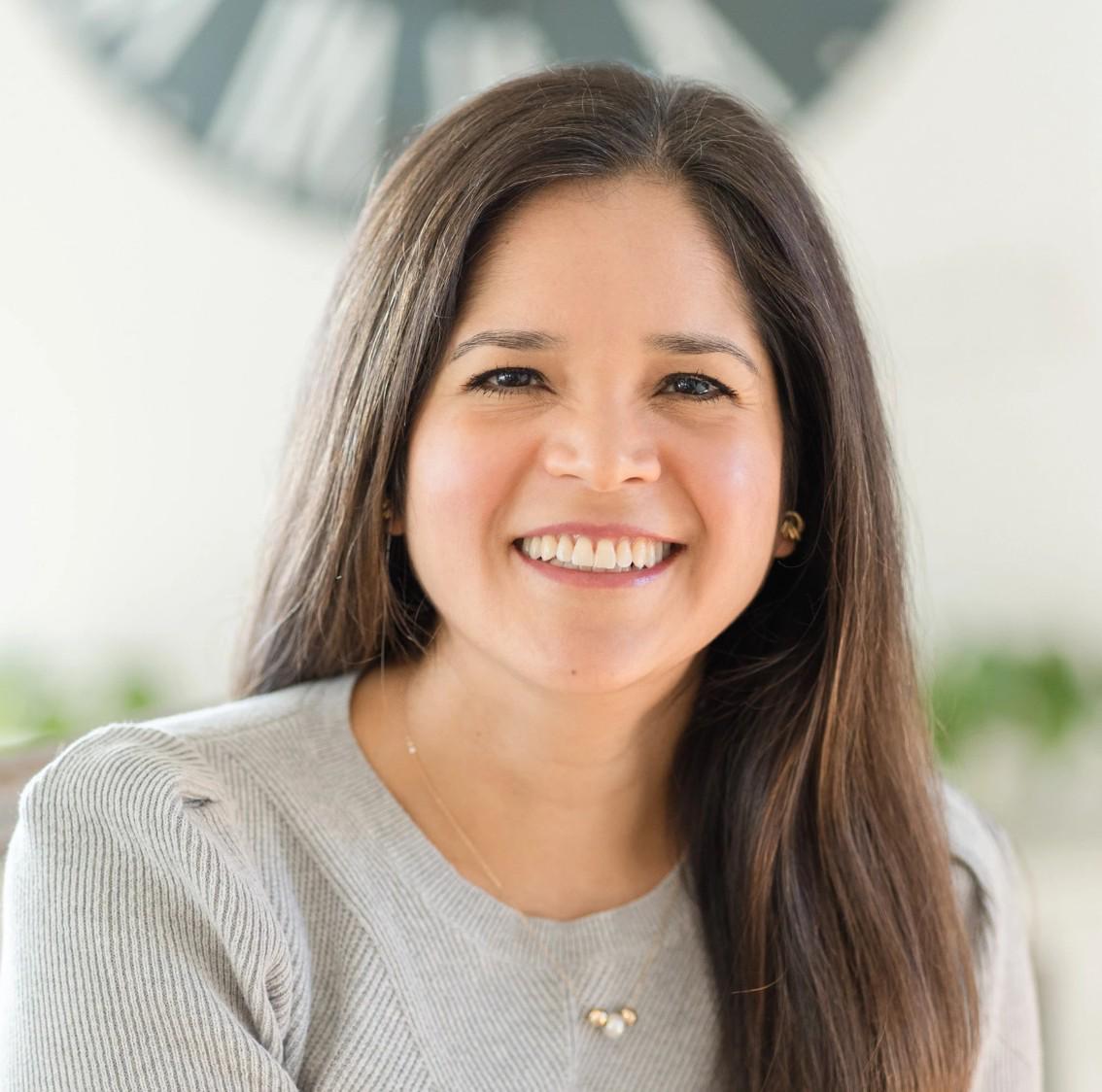
Welcome everyone! I’m Gina from the World Bank, and I'll be guiding our online discussion today.
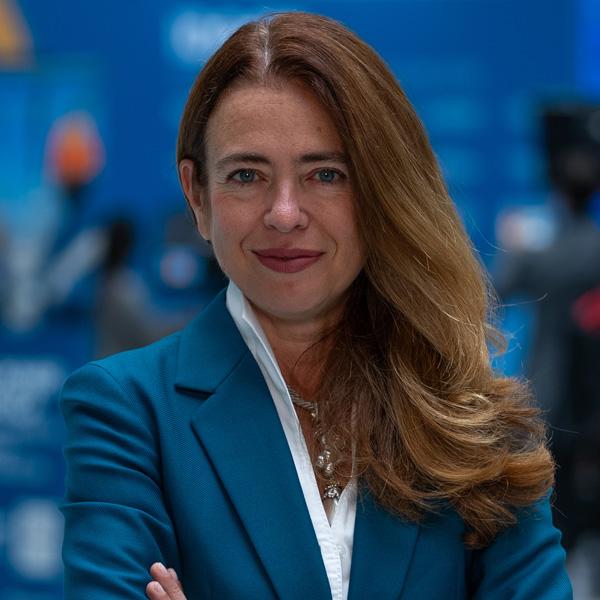
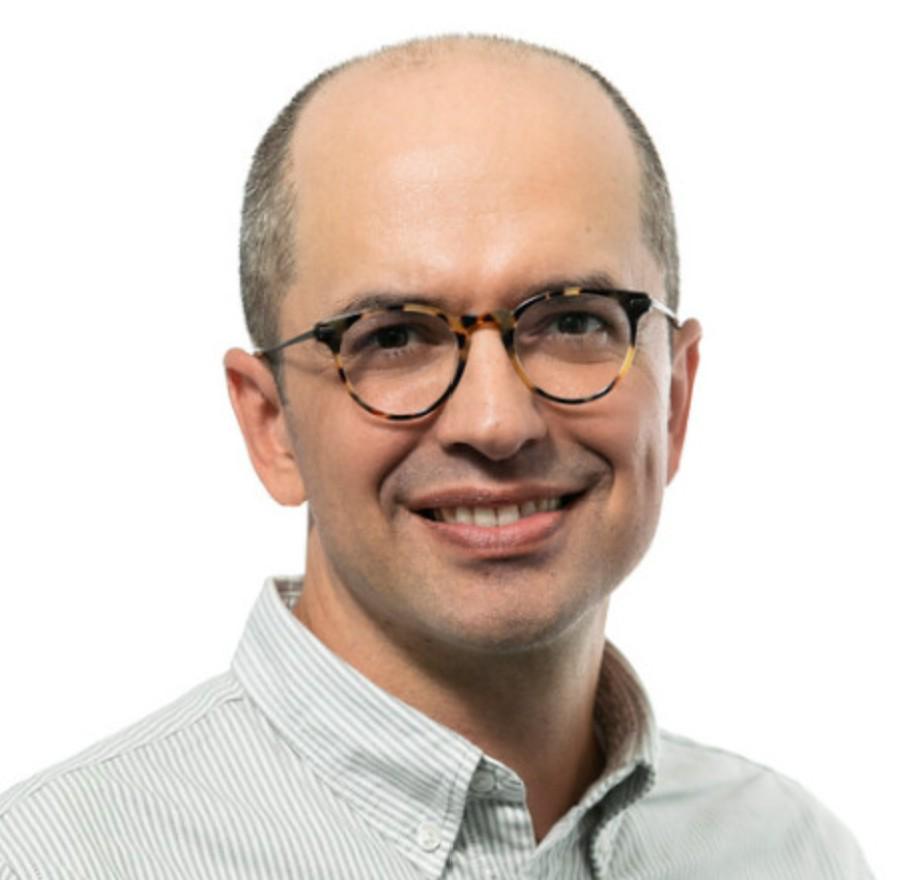
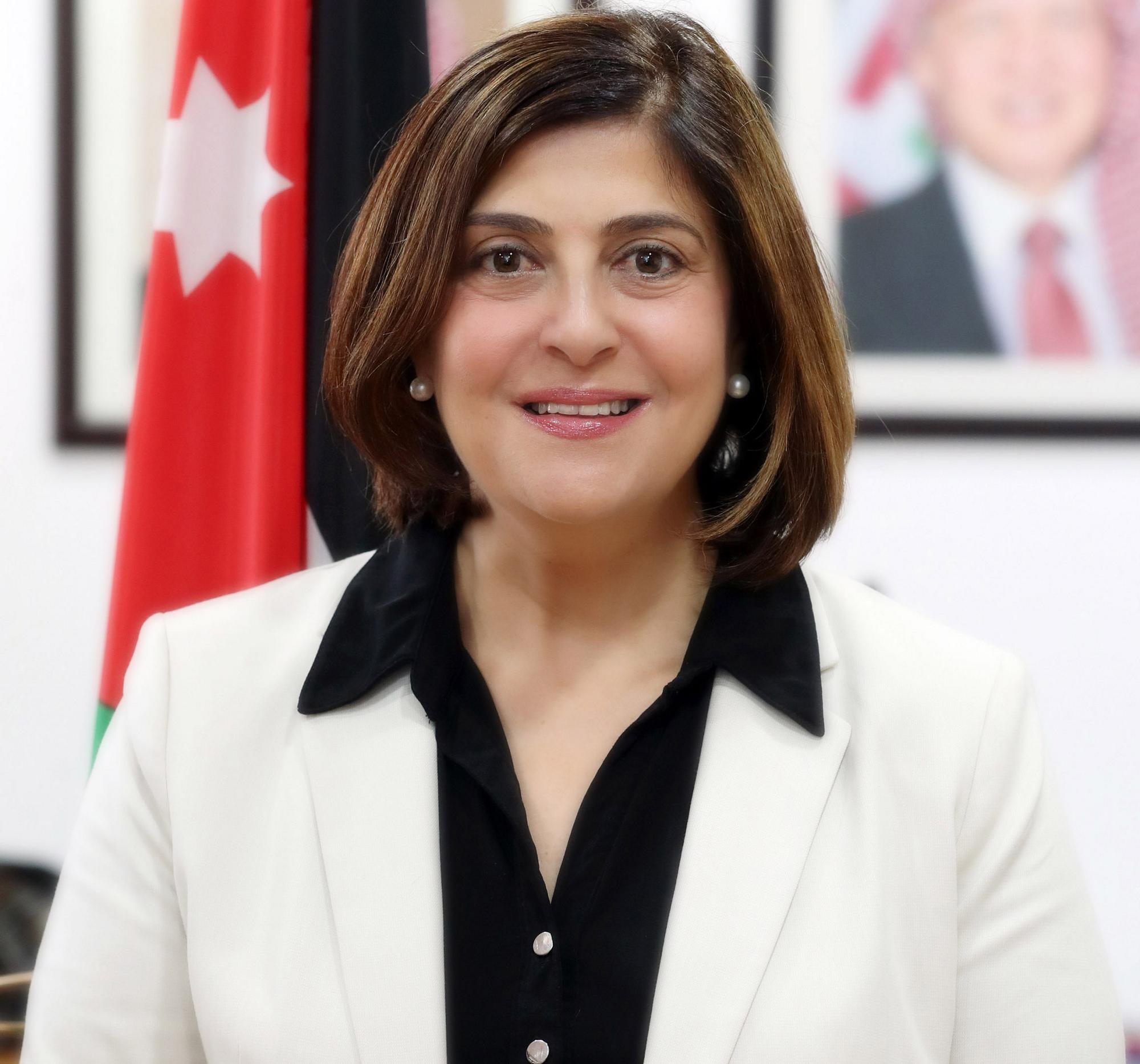
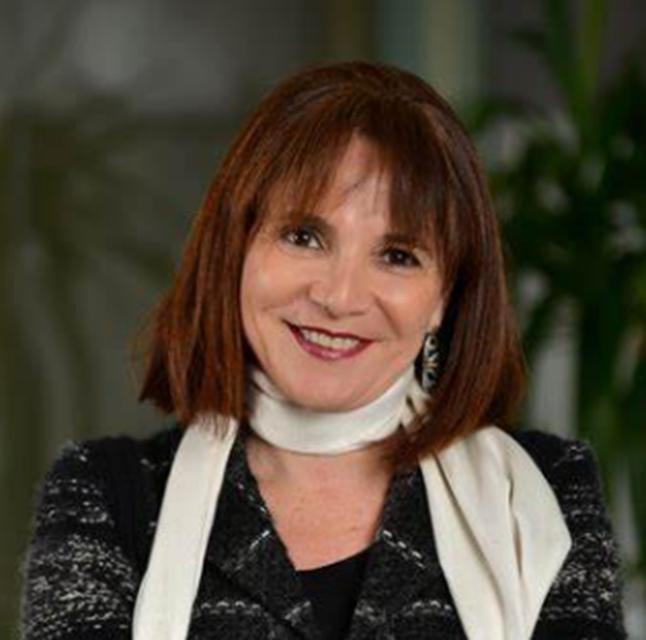
We're joined by our esteemed experts, Jesica Torres Coronado, Leila Baghdadi and Ernest Sergenti, who will be addressing your questions live. Check out the lineup of speakers participating in today’s discussion listed on this page.
Liveblogger – Gina Martinez
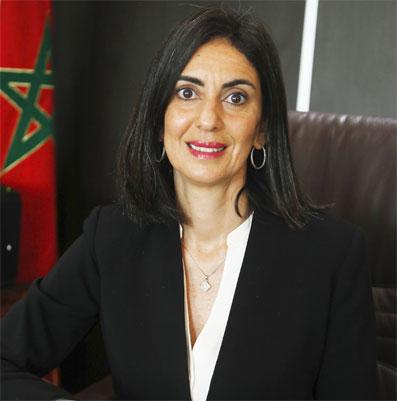
Our event moderator today is Journalist Fayçal Tadlaoui and we’ll be starting with opening remarks by Morocco’s Minister of Economy and Finance, Nadia Fettah, who will frame the discussion, grounded in insights from Morocco.
Liveblogger – Gina Martinez
Your questions drive the conversation!
Don’t forget to drop your inquiries in the live chat here or join the discussion on social media using #MENAAPUpdate . Our experts are standing by to provide real-time responses.
Liveblogger – Gina Martinez
World Bank Middle East, North Africa, Afghanistan and Pakistan Chief Economist Roberta Gatti is up with a presentation of the key findings in our regional report.
Liveblogger – Gina Martinez
📊 “Our region is at the heart of the global jobs challenge. ...The growth in the working age population in our region will be 40% between 2025 and 2050. Only second to the growth in Sub-Saharan Africa,” says Chief Economist Roberta Gatti.
ا د بشير محمودي
كل الاسباب المذكورة للتصويت تسهم في الحد من المشاركة الواسعة للمراة في القوى العاملة و في التنمية وخاصة ما يتعلق بجانب السياسات المبتكرة لتحفيز و دمج النساء في مسار التنمية .نحن نحتاج الى سياسات متكاملة و ذات رؤية شاملة تحد من صعوبات و معوقات عمل المراة ما يلاحظ اليوم هو سعي النساء لايجاد حلول بانفسهن لمواجهة التحديات - سبل رعاية الاطفال / المشاركة و الاستقلالية في ...العمل / ريادة الاعمال /التمثيل النقابي للنساء في اماكن العمل ..
Expert – Leila Baghdadi
في الواقع، يؤكد التقرير على ضرورة وجود سياسات متسقة ومتكاملة تقضي في الوقت نفسه على مختلف العقبات. الحلول الذاتية لا يمكنها تذليل الصعوبات التي تواجه النساء ولا يمكن أن تعوض غياب السياسات الشاملة، بل تحتاج إلى بيئة داعمة من خلال إصلاحات مؤسسية وقانونية.
openknowledge.worldbank.org/...
Ibrahim B
Why is the region so behind on those matters? Why are women still considered second class citizens in so many of these countries? If we want more balanced and sustainable societies for all, how can we ignore that women have a big part to play in it, not just at home, not just with their families, but in every layer of society.
Expert – Ernest Sergenti
Women’s participation in the labor market is shaped by the complex interaction of restrictive social norms, legal barriers, household decisions, and demand forces. Removing barriers that prevent women from accessing jobs that best match their talent and human capital could boost GDP per capita by 20 to 30 % in economies like Jordan, Pakistan, and Egypt. Such potential gains are among the highest in the world. For such gains to fully materialize, targeted policies must simultaneously tackle multiple constraints that contribute to excluding women from the labor market.
Josephat Joseph Mushobozi – Tanzania
In my opinion, lack of safe, affordable, and reliable transport remains one of the biggest barriers preventing women in my country from fully joining and participating in the workforce. many women-especially in rural and peri-urban areas-face safety concerns, long distances, and unreliable mobility options, which limits their access to workplaces, training centers, and economic opportunities. Improving mobility infrastructure and providing safe transport solutions can dramatically expand women's participation in the labor market and accelerate economic growth.
Expert – Ernest Sergenti
Safe and reliable transportation is essential to increase women’s labor force participation, but while targeted measures like gender-segregated transport or ride-hailing subsidies can reduce harassment and expand mobility, lasting progress requires broader investments in public transport and norm-shifting reforms to avoid reinforcing segregation.
LILA ALLAFI – LIBYA
ما هي مسارات الإصلاح الأكثر تأثيراً لمعالجة هذا الخلل، وكيف يمكن أن تتكامل التغييرات في الأعراف الاجتماعية مع الأطر القانونية لضمان مشاركة اقتصادية عادلة ومستدامة للنساء؟
Expert – Leila Baghdadi
الإصلاحات الأكثر تأثيرًا تشمل إزالة القيود التمييزية، سن قوانين لمكافحة التحرش وضمان الأجر المتساوي، وتوفير خدمات مثل النقل الآمن ورعاية الأطفال. التكامل مع الأعراف الاجتماعية يتم عبر حملات توعية وتغيير السلوك، إلى جانب التعليم والتدريب المجتمعي. تصحيح المفاهيم الخاطئة لتغيير المواقف الرجعية بشأن مشاركة النساء في سوق العمل أمر أساسي لدفع الإصلاحات التكميلية والشاملة اللازمة لتحسين مشاركة النساء في سوق العمل. هذا النهج الشامل يمكن أن يرفع الناتج المحلي للفرد بنسبة تصل إلى 30% في بعض دول المنطقة.
Liveblogger – Gina Martinez
📌 “Our region is leaving money on the table. Women are getting more educated, but they do not participate or even participate less in the labor market,” says Chief Economist Roberta Gatti.
Liveblogger – Gina Martinez
🔗 Although the MNA region has one of the lowest enrollment rates for pre-primary education in the world, as Roberta says, some countries have made significant progress and Morocco is one of them.
Liveblogger – Gina Martinez
“Our region does not create as many jobs as it could because the private sector isn’t as dynamic as it could be. And this is really an agenda of leveling the playing field with the public sector and investing in those enabling environments that can allow firms to start and grow in a robust way,” says Chief Economist Roberta Gatti.
Liveblogger – Gina Martinez
As our high-level panel discussion gets underway, remember to send us your questions!
Our experts are on-hand to answer your questions, live! What questions do you have for our Chief Economist about the findings presented?
Liveblogger – Gina Martinez
“We need economies that are creating jobs for everybody. But when it comes to women, we need to find, how do they find these jobs, and most importantly, how can they stay in those job,” says Mary Kawar, Director of the Regional Hub of the Regional Bureau for Arab States, UNDP Jordan.
Liveblogger – Gina Martinez
"Having jobs that women can do from home or maybe part-time more easily can be a stepping stone to allow them then to access more easily other types of jobs," says Selim Gulesci Associate Professor at Trinity College Dublin.
Liveblogger – Gina Martinez
"At the end of the day, we need to always ask ourselves: Why is it that we are promoting women's economic participation? Yes, it's good for the economy. Yes, it's good for the country. But it's also good for equality. It's also good for poverty eradication. It's also good for inclusion. And I think this is where we want our countries to help. We want women to participate," says Mary Kawar, Director of the Regional Hub of the Regional Bureau for Arab States, UNDP Jordan.
Faith Nicole Sycaoyao
What role do you think can young entrepreneurs play in promoting inclusive economic opportunities for women in the MENAAP region?
Expert – Ernest Sergenti
The report covers how expanding and strengthening the private sector is essential for inclusive job creation in MENAAP—reducing women’s reliance on public employment, boosting entrepreneurship, and raising overall productivity—while well-designed competition and anti-discrimination policies can reduce bias, but rigid mandates risk backfiring if they increase costs for firms.
Liveblogger – Gina Martinez
Before we come to a close with remarks from World Bank Vice President for the Middle East, North Africa, Afghanistan and Pakistan region, Ousmane Dione, share one takeaway from today's discussion that you'll remember either in the chat or using #MENAAPUpdate on social media.
LILA ALLAFI – LIBYA
ما هي الأدوار المتوقعة من الحكومات والقطاع الخاص في تبني إصلاحات فعّالة تُسهِم في رفع مشاركة النساء الاقتصادية؟
Expert – Leila Baghdadi
استنادًا إلى تقرير أحدث المستجدات الاقتصادية لمنطقة الشرق الأوسط وشمال أفريقيا وأفغانستان وباكستان، الحكومات مطالبة بإصلاح الأطر القانونية لإزالة القيود التمييزية وسن قوانين لمكافحة التحرش وضمان الأجر المتساوي، إلى جانب الاستثمار في النقل الآمن وخدمات رعاية الأطفال على سبيل المثال. كما يجب إطلاق حملات لتغيير الأعراف الاجتماعية وتصحيح المفاهيم الخاطئة حول عمل المرأة. أما القطاع الخاص، فيركز دوره على تطبيق سياسات مكان عمل شاملة توفر بيئة آمنة خالية من التمييز والتحرش، واعتماد ترتيبات عمل مرنة مثل العمل عن بُعد وساعات مرنة لدعم مشاركة النساء في سوق العمل.
openknowledge.worldbank.org/...
ا د بشير محمودي
هل هناك اطر قانونية مستقلة في باب قانون العمل مخصصة للنساء كبنود و مواد تراعي خصوصية عمل المراة اذ معظم قوانين العمل في الدول تتحدث عن * الموظف /التوظيف - دون مراعاة لهذه الخصوصية التي تعمل على تذليل الصعوبات
Expert – Leila Baghdadi
هناك مواد متفرقة في القوانين في معظم الدول العربية لا تكفي لتذليل العقبات. المطلوب هو إصلاحات هيكلية تدمج البعد الجندري في قوانين العمل، وترافقها سياسات داعمة لتغيير الأعراف الاجتماعية وتوفير خدمات أساسية مثل النقل ورعاية الأطفال.
وفقًا لتقرير العمل والنساء، المطلوب هو الانتقال من مجرد إدراج مواد متفرقة إلى إصلاحات قانونية شاملة تشمل:
• إلغاء القيود التمييزية على المهن وساعات العمل والتنقل.
• سن قوانين واضحة لمكافحة التحرش والتمييز في بيئة العمل.
• ضمان الأجر المتساوي للعمل المتساوي وتطبيقه فعليًا.
• توفير بيئة عمل مرنة (العمل عن بعد، ساعات مرنة) لتسهيل مشاركة المرأة.
• توفير الخدمات مثل النقل الآمن ورعاية الأطفال.
openknowledge.worldbank.org/...
Liveblogger – Gina Martinez
"As we've heard today, everyone pays the economic cost of excluding women from economic active participation in the workforce. Everyone pays a price. And both the private and the public sectors each can play a valuable role in reducing barriers and creating jobs," says World Bank
Middle East & North Africa, Afghanistan, and Pakistan Regional Vice President, Ousmane Dione.
Faith Nicole Sycaoyao
I like the point mentioned earlier that many philanthropies are now led by young people, which is truly encouraging! However, I believe this is mostly seen in the most privileged countries, such as the United States or parts of Europe, and in some rapidly emerging nations. Growing up across three different regions including the Middle East, I’ve seen firsthand how youth in rural and third-world countries often face significant resource and network limitations. So, how can young people in these contexts create more inclusive opportunities to support women? And what strategies can we foster to drive meaningful intergenerational collaboration despite these challenges?
Liveblogger – Gina Martinez
And that wraps up our discussion. A big thank you to everyone for tuning in! If you missed any part of it, don't worry— the event recording is now available on this page. Feel free to bookmark it for later viewing and share it with anyone who might find it insightful!
📊 For more on our latest MENAAP Economic Outlook: Jobs and Women: Untapped Talent, Unrealized Growth, visit:
www.worldbank.org/...
Liveblogger – Gina Martinez
Click here to read our report!